 blog
blog
Best TTRPG for Character Customization: 2026 Guide
Table of Contents
- What Makes the Best TTRPG for Character Customization
- TTRPGs With Flexible Character Creation Systems
- Classless Tabletop RPGs: Breaking Free From Rigid Roles
- TTRPG Character Customization Examples: What Players Build
- Character Customization Tools for TTRPGs: Practical Resources
- Balancing Customization With Game-Master Workload and Party Balance
- Choosing Your Best TTRPG for Character Customization
- Frequently Asked Questions
Last Updated: October 16, 2026
What Makes the Best TTRPG for Character Customization
Finding the best TTRPG for character customization starts with knowing what you want from it. Some players crave mechanical depth; others want narrative freedom. At ParadoxisRPG, we've seen both drive table decisions, and the right system depends on your priorities.
Character customization is the intersection of mechanical choices, narrative control, and how those systems interact with your game world. A truly flexible system lets you build anything you imagine without breaking the rules.
Mechanical Depth vs. Narrative Freedom
The tension between mechanics and narrative defines character customization. Some systems offer hundreds of mechanical options, abilities, traits, and powers from extensive lists, creating depth but demanding bookkeeping.
Others emphasize narrative choice: you describe who your character is, and the mechanics follow. This feels freeing but frustrates players who want precise mechanical control.
The best approach balances both: enough mechanical options to feel real choice, plus narrative flexibility so your concept isn't locked into rigid categories.
Build Variety and Replayability
Build variety keeps a system fresh across playthroughs. When two players can create radically different characters in the same system, replayability increases.
Point-buy systems excel here: you build from components rather than archetype paths. Swap one choice and your character feels new, a combat-focused build becomes a negotiator just by reallocating points.
Class-based systems offer variety through multiclassing, subclasses, and equipment, but they have hard limits, you're still picking from predefined paths.
TTRPGs With Flexible Character Creation Systems
Flexible character creation means you're not forced into predetermined roles. You build sideways. You combine unexpected elements. The system supports your vision rather than constraining it.
Screen Rant's roundup of TTRPGs with the best character customization identifies several standouts. Lancer, Paranoia, Legends of the Five Rings, City of Mist, GURPS, Savage Worlds, and Burning Wheel all prioritize player choice in character creation.
Point-Buy and Freeform Approaches
Point-buy systems give you a resource pool. You spend points on abilities, attributes, and traits. No predefined packages. No locked progressions. Pure choice.
This scales beautifully: a beginner spends conservatively, an experienced player optimizes ruthlessly, and the same system serves both.
Freeform systems go further: you describe your character and the mechanics emerge from that description.
The tradeoff is clarity. Point-buy systems are explicit. You know exactly what you're getting. Freeform systems require more table negotiation.
Classless Tabletop RPGs: Breaking Free From Rigid Roles
Classless systems remove traditional character creation's biggest constraint: picking a role before you know who your character is. You're not a Fighter or a Wizard but a person with specific capabilities that can shift over time.
Reddit community recommendations for highly customizable character tabletop RPGs highlight systems like HERO, Champions, Open Legend, Wild Talents, GURPS, and BESM as classless alternatives.
Trait-Based and Advantage Systems
Trait-based systems break character building into independent components. Each trait or advantage stands alone, and the combination space is enormous.
GURPS pioneered this: you buy advantages and disadvantages and stack them however you want. Two GURPS characters rarely feel identical because trait interactions create emergent identity, Combat Reflexes, High Pain Threshold, and a Code of Honor plays nothing like Charisma, Luck, and a Secret.
Disadvantages matter as much as advantages, they're character definition, not penalties. They drive roleplay and create mechanical consequences for narrative choices.
A Comparison Framework for Classless Systems
Not all classless systems are interchangeable. They differ along five axes that matter at the table:
| Axis | What to Check | Why It Matters |
|---|---|---|
| Build variety | How many distinct concepts can two players create without overlap? | Determines replayability across campaigns |
| Flexibility | Can you reallocate points or retrain later, or is creation locked in? | Affects how forgiving the system is for new players |
| Complexity | How many moving parts per character, and how much math at creation? | Predicts setup time and rules-lookup frequency |
| Progression | Do characters grow sideways (new traits) or upward (bigger numbers)? | Shapes long-term campaign feel |
| Ease of creation | Is there a guided path, or must you understand the whole system first? | Determines whether beginners can start without a veteran's help |
High build variety with low ease of creation frustrates new tables; high flexibility with low progression feels stagnant in long campaigns. The right classless system is the one whose weak axis you can live with.
Customization by Player Preference
Different players want different things from a classless system:
- Beginners benefit from systems with pre-built templates or archetype packages they can modify, rather than pure point-buy from scratch.
- System tinkerers thrive in point-buy systems where optimization is part of the fun and the ceiling is high.
- Tactical players want classless systems that still support distinct combat roles through power selection rather than class labels.
- Story-first players prefer freeform or tag-based systems where the mechanics follow the fiction rather than constraining it.
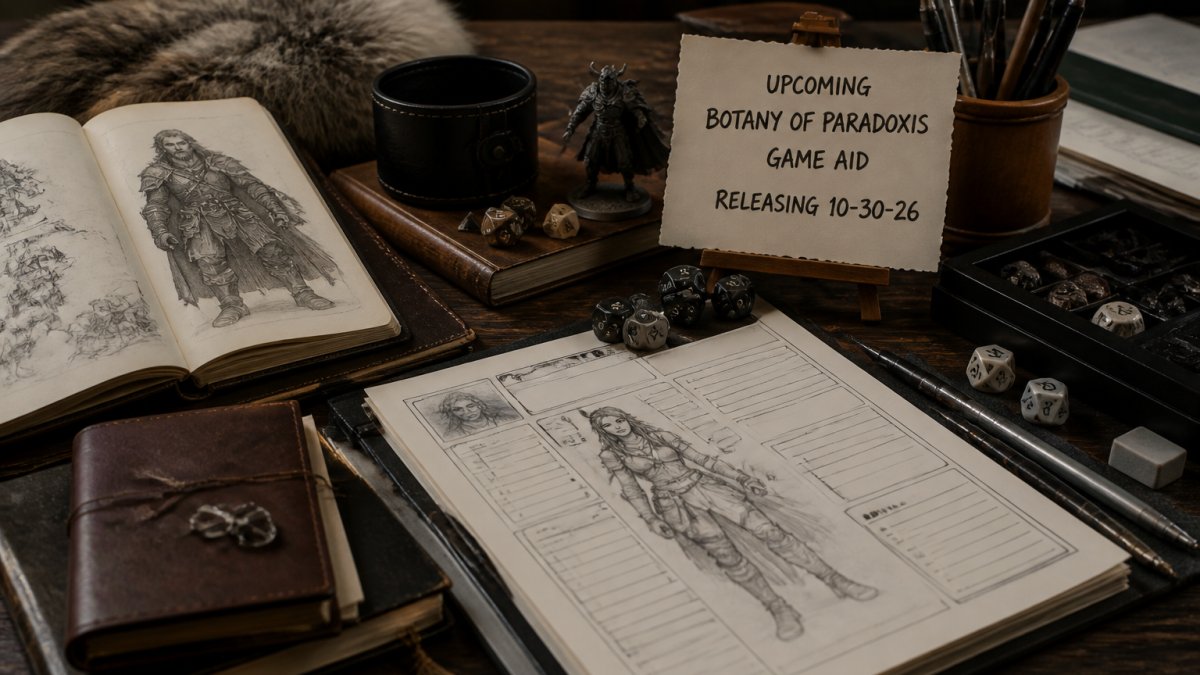
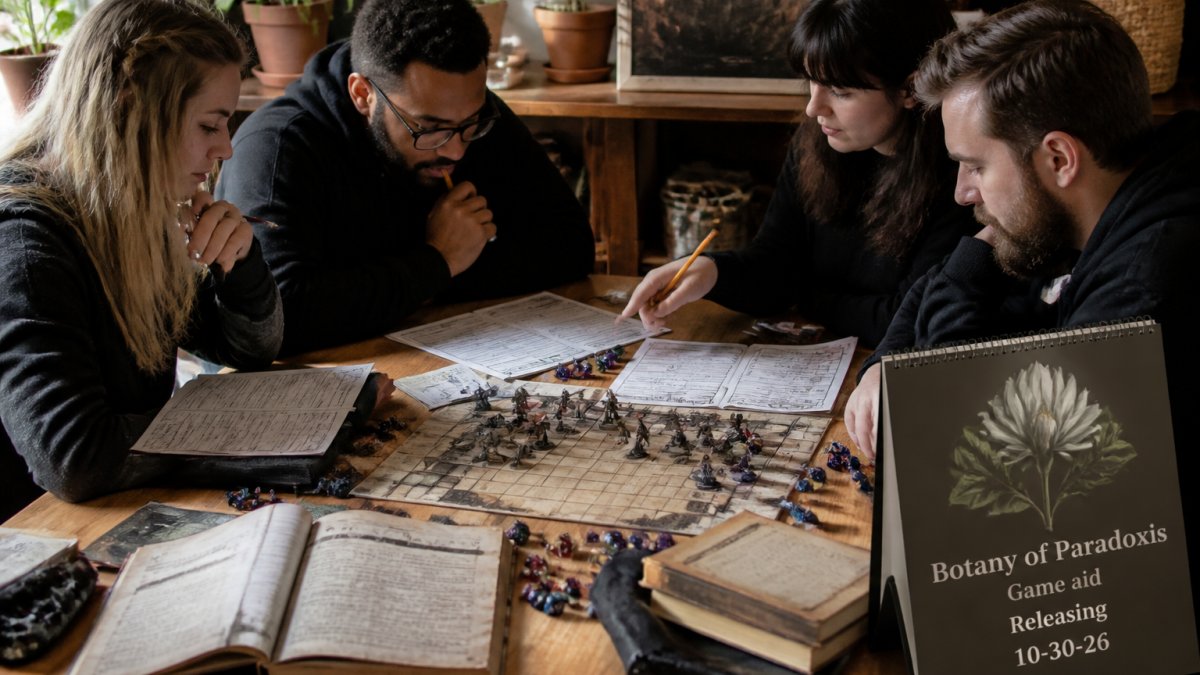
ParadoxisRPG supports deep character customization within Doxis's brutal setting. Our character creation system balances mechanical options with narrative expression, letting you build someone who exists in a world of sorcery and savage technology. The upcoming Botany of Paradoxis game aid, releasing on October 30, 2026, expands character and environmental options for Doxis campaigns.
TTRPG Character Customization Examples: What Players Build
Real customization shows up in what players actually create. When a system supports flexibility, tables build characters that surprise everyone.
High-Power Action-Oriented Concepts
Some players want characters who bend rules and exceed expectations.
Point-buy systems enable this through optimization: find synergies between abilities, layer effects, and create something mechanically potent without breaking the rules.
Genre-Specific and Setting-Driven Builds
The best character customization systems support genre expression. You're not just building mechanics. You're building someone who belongs in this world.
Character Customization Tools for TTRPGs: Practical Resources
Customization has a hidden cost: time. A point-buy character with dozens of traits can take an hour or more by hand, while a freeform character may take minutes to describe but weeks to settle as the table negotiates what each tag does. The tools you use determine whether that cost feels like creative fun or clerical homework.
Digital Builders and Character Sheets
Most major systems now have digital support: a spreadsheet or web app handles arithmetic, enforces point budgets, and flags illegal combinations so you focus on concept rather than bookkeeping.
- Spreadsheet templates remain the most common tool for point-buy systems. Community-made sheets for various systems automate point totals and often include dropdowns for advantages, disadvantages, and skills.
- Dedicated web builders exist for several class-based systems and handle level-by-level progression, spell selection, and equipment tracking. They reduce mid-session lookups dramatically.
- Virtual tabletop integrations let you import a finished sheet and roll directly from it, which cuts down on the "where is that modifier?" pause that slows combat.
A practical rule of thumb: if a system requires more than one page of handwritten math to build a starting character, look for a digital tool before you commit to it for a long campaign.
Community Resources and Homebrew
Wikis, subreddits, and Discord servers aggregate builds, errata, and house rules, often the difference between a complex system feeling accessible and feeling impenetrable. Check whether the community is active and common build questions are easy to answer.
Accessibility and Learning Aids
Not every player wants to optimize. Some need guided creation, pre-generated archetypes, or quick-start packages that let them play immediately and customize later. Systems offering both a deep build path and a fast on-ramp serve more tables. Look for:
- Quick-start characters that can be reskinned rather than rebuilt
- Fillable PDF sheets with auto-calculating fields
- Video walkthroughs of character creation from the publisher or community
The Practical Cost of Customization
Before committing to a highly flexible system, estimate three numbers for your table:
- Setup time, how long the first character takes a new player
- Session-zero time, how long the group spends reconciling concepts and party roles
- Maintenance time, how much bookkeeping happens between sessions as characters advance
Deep customization tends to be front-loaded: heavy at creation, lighter in play. Lighter customization is back-loaded: fast to start but limited in how far a concept can grow. Neither is wrong, knowing which pattern fits your group prevents the common failure of abandoning a complex system three sessions in.
ParadoxisRPG's Player's Manual and GM's Guide provide comprehensive frameworks for character creation. The materials support both mechanical depth and narrative expression. Our supplemental Showroom issues expand character options regularly, and the upcoming Botany of Paradoxis game aid releases on October 30, 2026, adding new environmental and character options for Doxis campaigns.
Balancing Customization With Game-Master Workload and Party Balance
Customization creates a balance problem: when players can build anything, GMs face unpredictable party compositions.
The best systems solve this through design.
Other systems are similar: character creation follows defined steps with a built-in mechanical ceiling, so a new character can't outpace the group.
Party balance matters for shared fun. One overpowered character breaks the table. One underpowered character frustrates their player.
GMs need prep time too. Highly customizable systems sometimes demand more preparation.
Choosing Your Best TTRPG for Character Customization
Start by identifying what customization means to you: mechanical options, narrative freedom, or both?
Look at learning curve. Point-buy systems are straightforward once you understand the points.
Check community resources.
ParadoxisRPG supports deep character customization within Doxis's brutal setting.
We're also releasing the Botany of Paradoxis game aid on October 30, 2026.
The best TTRPG for character customization is the one that matches your vision.
Character customization isn't about having the most options. A system that supports your concept without forcing compromise is a system that works. Association for Computing Machinery research on character creation and player acceptance shows that players engage more deeply with systems where their choices feel meaningful.
| Customization Type | Best For | Key Consideration |
|---|---|---|
| Point-Buy Systems | Players who want precise mechanical control | Requires understanding point values and optimization |
| Freeform Systems | Narrative-first players | Needs table agreement on mechanical interpretation |
| Classless Systems | Players who reject predefined roles | More complex character tracking |
| Trait-Based Systems | Players who want component building | Larger character sheet with many small choices |
Frequently Asked Questions
Which TTRPG has the best character customization?
The best TTRPG for character customization depends on your priorities. Some systems excel at build variety and flexible character creation. Classless systems offer more freedom than class-based ones, while point-buy mechanics let you allocate attributes precisely. Consider whether you value mechanical depth, narrative flexibility, or both. Your ideal system matches your table's complexity tolerance and preferred play style.
What should I look for in a character-focused tabletop RPG?
Prioritize systems offering multiple character creation paths: point-buy, random generation, or freeform. Look for TTRPGs with flexible character creation that don't lock you into rigid roles. Check whether the system supports long-term character progression and advancement that feels meaningful. Evaluate how much time character creation takes, some groups want quick builds, others prefer deep customization. Review whether the rules allow meaningful tactical choices in combat and skill applications.
Can you customize characters in rules-light TTRPGs?
Yes, but differently. Rules-light systems often trade mechanical complexity for narrative freedom. You gain flexibility in character concept and storytelling but may have fewer mechanical options for abilities and powers. Some rules-light TTRPGs use trait-based systems or advantages that still offer substantial customization without heavy bookkeeping. The trade-off is that your character's capabilities depend more on table agreement and GM interpretation than on detailed mechanical builds.
How do character customization systems differ between TTRPGs?
Class-based systems offer predefined archetypes with specific abilities and progression paths, providing structure but less flexibility. Classless systems let you build characters from traits, advantages, and skills without preset roles, maximizing build variety. Point-buy mechanics give precise control over attribute allocation, while random generation creates surprises. Some TTRPGs emphasize mechanical depth through complex character sheets; others prioritize narrative choices. The best system for you depends on whether you want tactical mastery or storytelling freedom.