 blog
blog
Dungeons and Dragons Alternatives for Adults
Table of Contents
- Why Adults Outgrow D&D (And What They Actually Want)
- Best Tabletop RPGs for Adults: What to Compare Before You Buy
- D&D Alternatives for Beginners: Low-Effort Systems That Still Deliver
- Story-Focused Tabletop RPGs for Groups Tired of Combat Grinds
- Dark Fantasy Tabletop RPGs for Players Who Want Brutal Stakes
- How to Choose a Tabletop RPG System for Your Group
- Accessibility and Online Play: Running Alternatives Without a Local Group
- Frequently Asked Questions
Last Updated: October 12, 2026
Why Adults Outgrow D&D (And What They Actually Want)
Most adults don't quit Dungeons and Dragons because they stop loving tabletop games. They quit because the game no longer fits the life they have now.
This guide from ParadoxisRPG looks at dungeons and dragons alternatives for adults who still want deep stories without the scheduling nightmare.
The pattern is consistent. Players want three things: a clear reason to show up, a story that respects their time, and rules they can hold in their head after a long workday.
D&D asks a lot. It rewards system mastery, it needs a dedicated Dungeon Master, and its combat can eat an entire evening. None of that is bad.
So what do adults actually want instead?
- Shorter, sharper sessions that still feel complete
- Rules that fade into the background so the story leads
- A world worth exploring without homework between games
- Real stakes that make choices matter
The good news: dozens of systems now serve exactly this player. The hard part is knowing which one suits your table.
Best Tabletop RPGs for Adults: What to Compare Before You Buy
Before you buy any rulebook, compare four things: rules complexity, cost, group size, and campaign length. These four factors decide whether a game survives past session three.
Most guides skip this and jump straight to recommendations. That's backwards. A game that's perfect for a five-person group of veteran roleplayers can fall flat with three casual friends.
Here's a comparison framework to use when advising a new group.
| Factor | What to Check | Why It Matters |
|---|---|---|
| Rules complexity | How many rules before play starts | High complexity slows new players down |
| Cost to start | Core book, dice, extras | Some games need only one book |
| Group size | Ideal player count | Too many players kills pacing |
| Campaign length | One-shot vs long arc | Adults often need flexible commitment |
Work through these in order. Rules complexity decides who can play. Cost decides who will. Group size decides whether sessions feel tight or chaotic. Campaign length decides whether your group lasts a year or a month.
Rules Complexity and Learning Curve
Rules-light games get you playing in one session. Rules-heavy games reward mastery but demand study time.
The learning curve is the single biggest reason adult groups stall. If players must read 200 pages before their first roll, most won't. A good rule of thumb: if your group can't start playing within 30 minutes of sitting down, the system is working against you.
Ask your table one question: do you want to learn a game, or do you want to play one tonight?
Cost, Group Size, and Campaign Commitment
Total cost varies widely, and we won't quote prices here because they change by retailer and edition. What matters is the shape of the spend.
- One-book systems: the core rulebook covers everything
- Multi-book systems: core rules plus setting and expansion guides
- Free starter rules: many publishers offer quickstart versions
Group size matters just as much. Four to five players is the sweet spot for most systems. Fewer than three and combat feels thin. More than six and each player gets a few minutes of spotlight per session.
Campaign commitment is the quiet killer. A one-shot finishes in a night. A campaign runs for months. Match the format to your group's real calendar, not its ambitions.
D&D Alternatives for Beginners: Low-Effort Systems That Still Deliver
The best D&D alternatives for beginners share one trait: you can run them without memorizing anything. They hand you a character, a situation, and a reason to act, then get out of the way.
Beginners don't need simpler stories. They need fewer barriers between them and the story. That means:
- Pre-made characters so no one spends two hours on math
- One core mechanic used for almost everything
- Clear goals for each session
- Forgiving combat that won't end a campaign on a bad roll
Many rules-light systems use a single die type and a simple target number. You roll, you compare, you narrate the result. That's the whole engine. New players grasp it in minutes, and experienced players appreciate the speed.
A common mistake is assuming "beginner-friendly" means "shallow." It doesn't. Rules-light games often produce richer stories because nothing slows the table down. The rules step back, and the players step forward.
If your group has never played a tabletop role-playing game before, start here. Pick a system with a free quickstart, run a one-shot, and see who leans in.
Story-Focused Tabletop RPGs for Groups Tired of Combat Grinds
Story-focused tabletop RPGs put narrative first and treat combat as one option among many. If your group groans when initiative is rolled, this category is your answer.
These games reward talking, scheming, and role-play. A tense negotiation can carry a whole session. A chase through a city can matter more than a sword fight. The mechanics support drama rather than tactics.
What changes at the table:
- Conflict resolves through choices, not just damage
- Character goals drive the plot, not a pre-written dungeon
- Failure moves the story forward instead of stopping it
- Sessions feel like episodes of a show, not a grind
This style suits adults who want to unwind and create something together. It also suits groups with mixed experience, because nobody needs to master a combat system to contribute.
The trade-off is real. Story-first games demand more from the Game Master, who must improvise and react. If your GM loves prep and control, a more structured system may serve them better.
Dark Fantasy Tabletop RPGs for Players Who Want Brutal Stakes
Dark fantasy tabletop RPGs trade heroic power for danger, dread, and consequence. Here, characters are mortal. Choices cost something. Victory is survival, not glory.
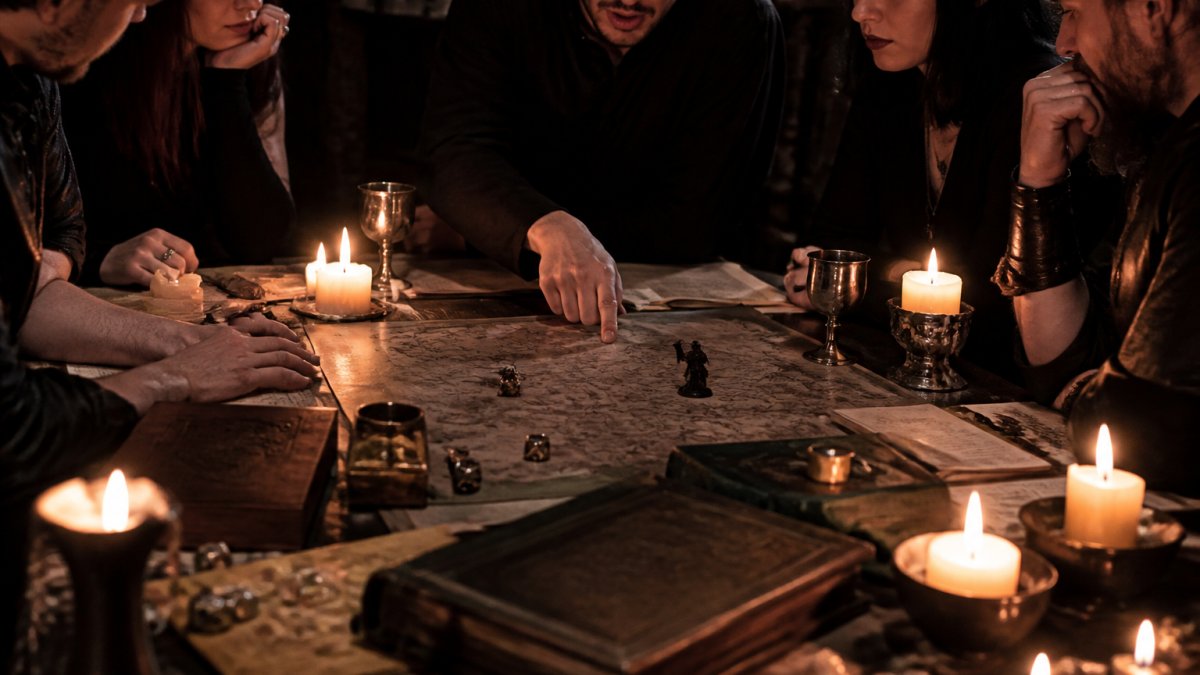
Adults often gravitate here after years of power fantasy. When you've saved the kingdom a dozen times, saving your own skin feels fresh. Dark fantasy delivers that tension.
What defines the genre:
- Lethal combat where a bad decision ends a character
- Moral weight where no choice is clean
- Scarce resources that make every item count
- Worlds that don't care whether you survive
This style isn't for every table. Some players want to feel powerful, and that's fine. But for groups craving stakes, dark fantasy delivers a kind of tension that brighter settings can't match.
Sorcery and Savage Technology: The Doxis Approach
One setting that leans hard into brutal stakes is Doxis, the world behind ParadoxisRPG. It blends sorcery with savage technology, a mix that usually feels clunky in other games. Doxis makes the clash the point.
Magic and machinery don't sit side by side as separate systems. They collide. Sorcery corrupts, technology grinds, and characters live in the space between. That tension drives both the setting and the mechanics.
For players who want a world with deep lore to uncover, the Player's Manual and GM's Guide give both sides of the table structured material. Players get tools to master a hostile world. Game Masters get guides to run it with confidence.
If your group is tired of fantasy reskins and wants something that feels genuinely different, this is worth a look.
How to Choose a Tabletop RPG System for Your Group
Choosing a system comes down to matching the game to your group's real constraints, not its ideal ones. Run this checklist before you buy anything.
- How long is a typical session? (60 min, 2 hours, 4 hours)
- How often can everyone actually meet? (weekly, monthly, irregular)
- How many players will reliably show up? (2-3, 4-5, 6+)
- Does anyone want to be the Game Master, or do you need GM-less play?
- Do players want tactical combat or narrative conflict?
- Is the setting more important than the rules, or the reverse?
- What's the total budget for books and dice?
- Do you need online play, or will you meet in person?
Score each system against these questions. The game that fits the most boxes wins. Ignore hype and reviews that don't match your constraints.
A practical shortcut: pick two candidates, run one session of each, then decide. One night of play tells you more than a month of reading.
If you're drawn to a dark, lore-rich world with real stakes, ParadoxisRPG's materials are built for exactly that kind of table. Start with the Player's Manual, add the GM's Guide when you're ready to run.
Accessibility and Online Play: Running Alternatives Without a Local Group
Online play has made tabletop role-playing games accessible to adults who don't live near a game store or a willing group. You can now run any system with friends across the country.
The tools matter less than the setup. Most groups use a video call plus a shared space for maps and dice. Some systems need battle maps. Rules-light and story-focused games often need nothing but a call and imagination.
Accessibility goes beyond geography. Consider:
- Text-based play for players who prefer writing to speaking
- Theater of the mind for groups without minis or maps
- Digital character sheets that update automatically
- Recorded sessions for players who miss a night
For adults with unpredictable schedules, online play is often the only way a campaign survives. A group that can't meet in person can still meet online, even in short sessions.
The same rules apply online as in person. Keep sessions short, keep the story moving, and pick a system that doesn't fight your format. A rules-light game runs beautifully over video.
Finding the right game is really about honesty. Our Player's Manual and GM's Guide give both players and Game Masters the structured tools to run a dark, story-driven campaign, while our Showroom issues keep the setting alive with new content.
Frequently Asked Questions
What are the best alternatives to Dungeons & Dragons for adults?
The best pick depends on what your group values. For story-first play, look at narrative-driven systems where character motivation drives the plot. For brutal, mature settings, dark fantasy tabletop RPGs with high-stakes combat and grim worldbuilding suit groups who want tension. For low-prep groups, rules-light systems let you start a campaign in one session. Compare rules complexity, cost, campaign length, and group size before buying, then match the system to how your group actually plays, not how you wish it played.
Which D&D alternatives are best for beginners?
Beginners do best with rules-light systems that use a single mechanic for most actions, pre-built character options, and one-shot adventures you can finish in a single session. Avoid systems with heavy tactical combat grids or hundreds of spells to track. Many D&D alternatives for beginners include quick-start rules and starter adventures, so you can test the game before committing to a full rulebook. Run a one-shot first, then decide whether to launch a campaign.
Are there tabletop RPGs with darker or more brutal settings than Dungeons & Dragons?
Yes. Dark fantasy tabletop RPGs lean into survival, moral compromise, and consequences that stick. Combat is dangerous rather than balanced, and character death is a real possibility. Settings often blend horror, occult investigation, or grim technology with magic. If your group wants mature themes and high-stakes storytelling, these systems deliver a different tone than heroic fantasy. Check the content warnings each game provides, since brutal settings vary widely in what they include.
How do you choose a tabletop RPG system for your group?
Start with three questions: how long is each session, how many players will attend regularly, and who is willing to run the game? A group of six with three-hour sessions needs different rules than three players meeting for six hours. Then match on rules complexity, prep time for the game master, and whether the group prefers tactical combat or narrative scenes. Try a one-shot before committing to a campaign, and check whether the publisher releases ongoing supplements so your investment keeps paying off.